Italian Wine in South Korea: Trends and Opportunities for 2026
South Korea is one of the most dynamic premium wine markets in Asia. Here is how Italian estates can position themselves to win there.
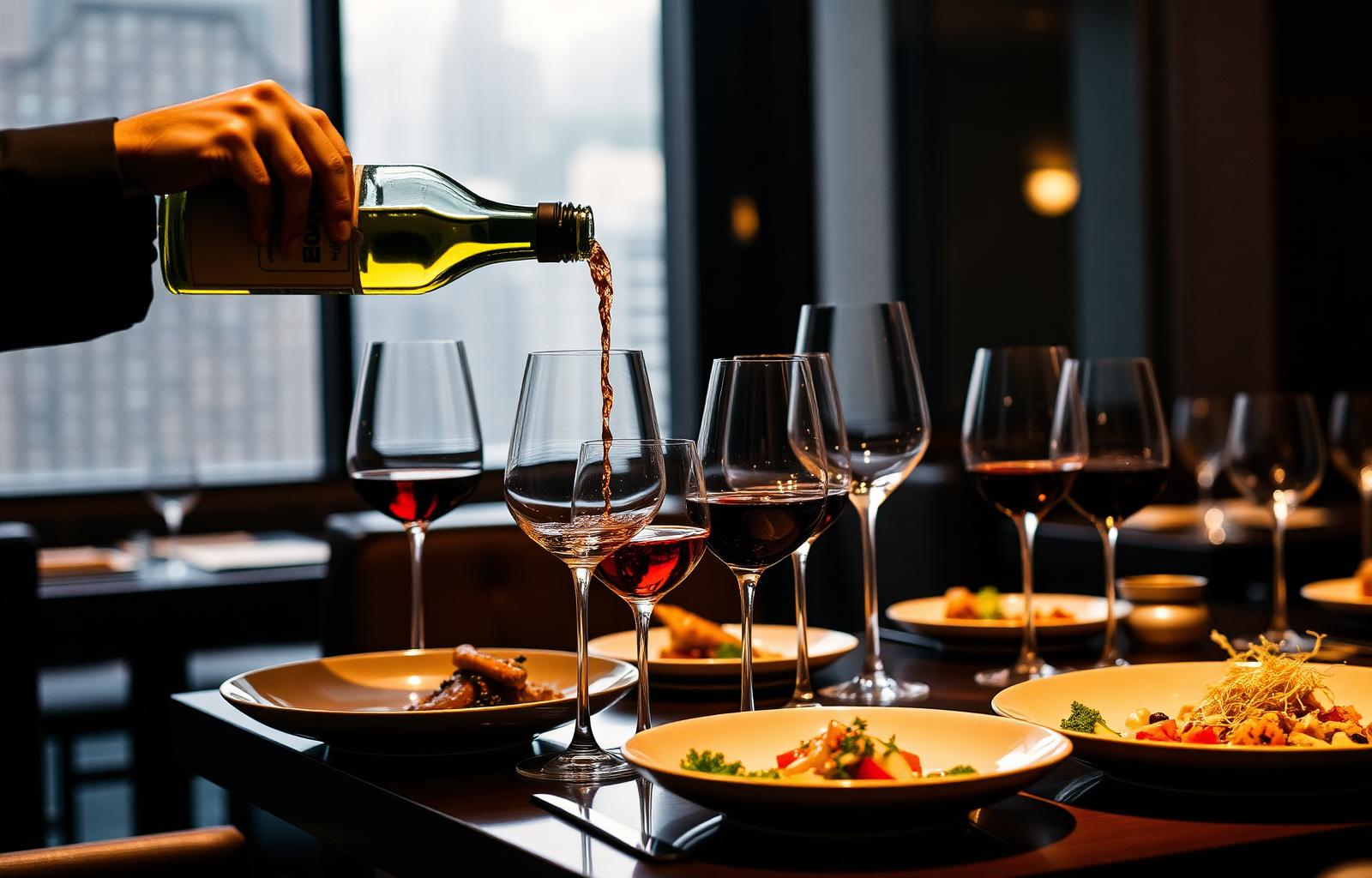
South Korea has quietly become one of the most interesting premium wine markets in Asia. Imports grew over 70% between 2020 and 2024, and Italian wine is gaining share — but the Korean buyer is sophisticated, brand-aware and unforgiving of inconsistency. Estates that succeed here are those that treat Korea as a long-term brand investment, not an opportunistic export.
Why Korea matters now
- Wine consumption per capita is growing while many Asian markets plateau
- A young, design-conscious generation is replacing soju with wine in social dining
- HoReCa premium and fine dining segments are exploding in Seoul, Busan and Jeju
- Korean retail (E-Mart, Lotte, Shinsegae) is investing in private wine sections
- Digital channels (Naver, Instagram, Kakao) drive an unusually high share of premium wine discovery
What Korean buyers actually want
Korean premium wine buyers are not looking for the cheapest Italian bottle. They are looking for clarity, story and visual identity. A modern, minimal label on a recognisable Italian region (Tuscany, Piedmont, Sicily) outperforms a more traditional label from a less-known appellation — even when the wine in the bottle is comparable.
The right channels in Korea
Channel strategy in Korea is unusually concentrated:
- Premium HoReCa — Michelin-starred restaurants in Seoul, hotel groups (Shilla, Lotte, Four Seasons)
- Specialty wine retail — Wine & More, Vinaholic, premium hotel shops
- E-commerce — Naver Smart Store, Coupang, Kakao Gift (gifting culture is huge for premium wine)
- Hypermarket premium sections — E-Mart Wine Garden, Lotte Mart Bottle Bunker
Pricing and positioning
Korean import duties on wine are 15% plus 30% liquor tax plus 10% VAT — meaning the landed cost effectively doubles before any margin is added. This pushes most Italian wine into the premium-and-above shelf. Estates need to enter Korea with this maths in mind: a wine that retails at €15 in Italy will easily reach 80,000-90,000 KRW (~€55) in Seoul.
Digital and storytelling — non-optional
Korea is the most digitally-driven wine market we work in. A producer without a coherent Instagram presence, without imagery in Korean-friendly aspect ratios, without a Naver-indexed introduction, is invisible to a large portion of the buyer base. We typically build a Korea-specific digital toolkit for each estate before the first shipment leaves Italy.
Common mistakes to avoid
- Treating Korea as a 'try it and see' market — Korean buyers expect long-term commitment
- Inconsistent pricing between duty-free, HoReCa and retail
- No Korean-language back label or marketing materials
- Choosing an importer based on volume promises rather than HoReCa relationships
- Skipping in-market visits — relationships in Korea are built face to face
Korea is not a fast market. It is a deep one. Estates that invest patiently in brand, story and presence build positions that competitors find very hard to displace.