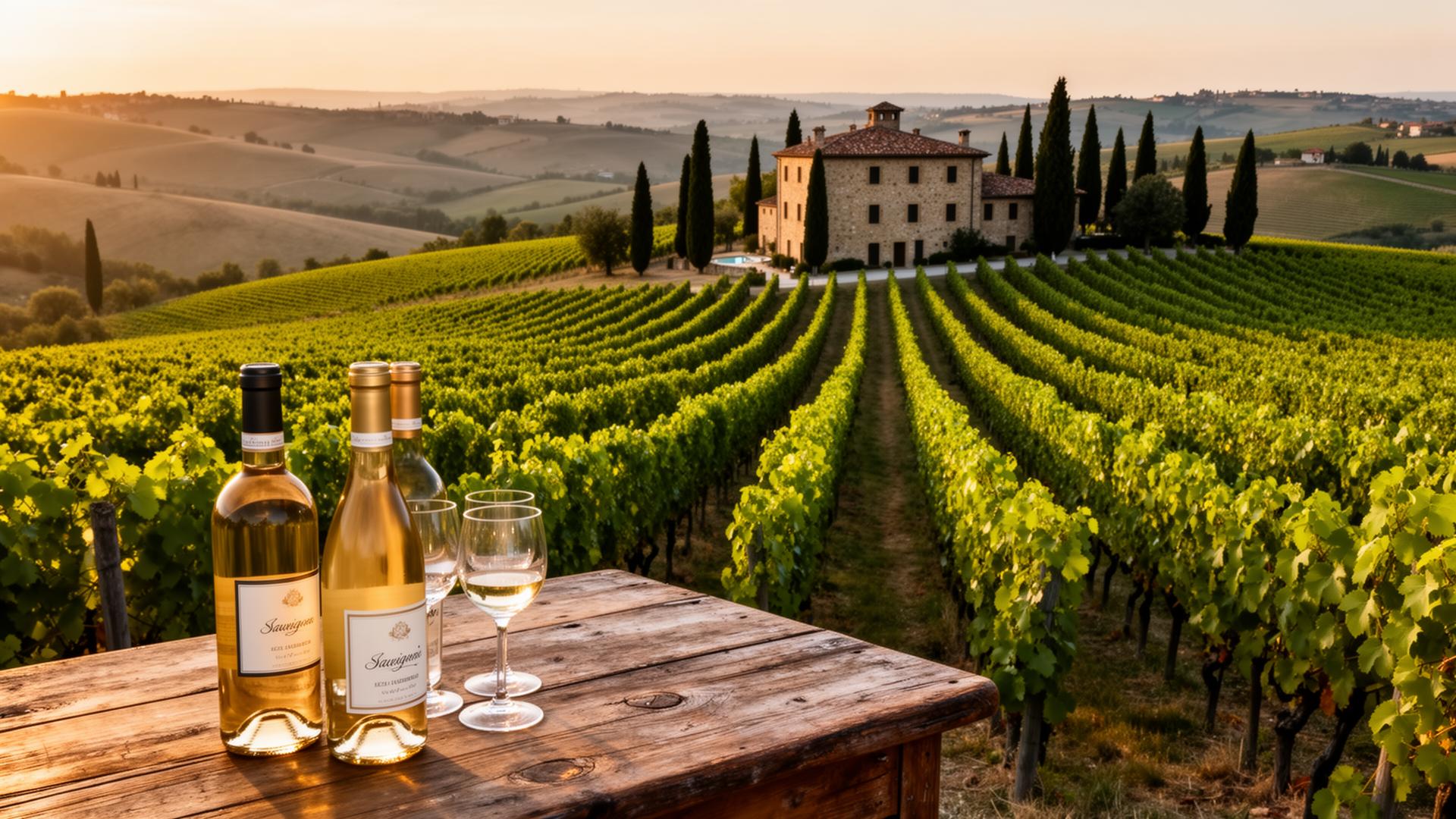
Italian Wine in Colombia: An Emerging Premium Market for 2026
Bogotá, Medellín and Cartagena are reshaping South America's wine map. A pragmatic guide for Italian wineries looking at Colombia.
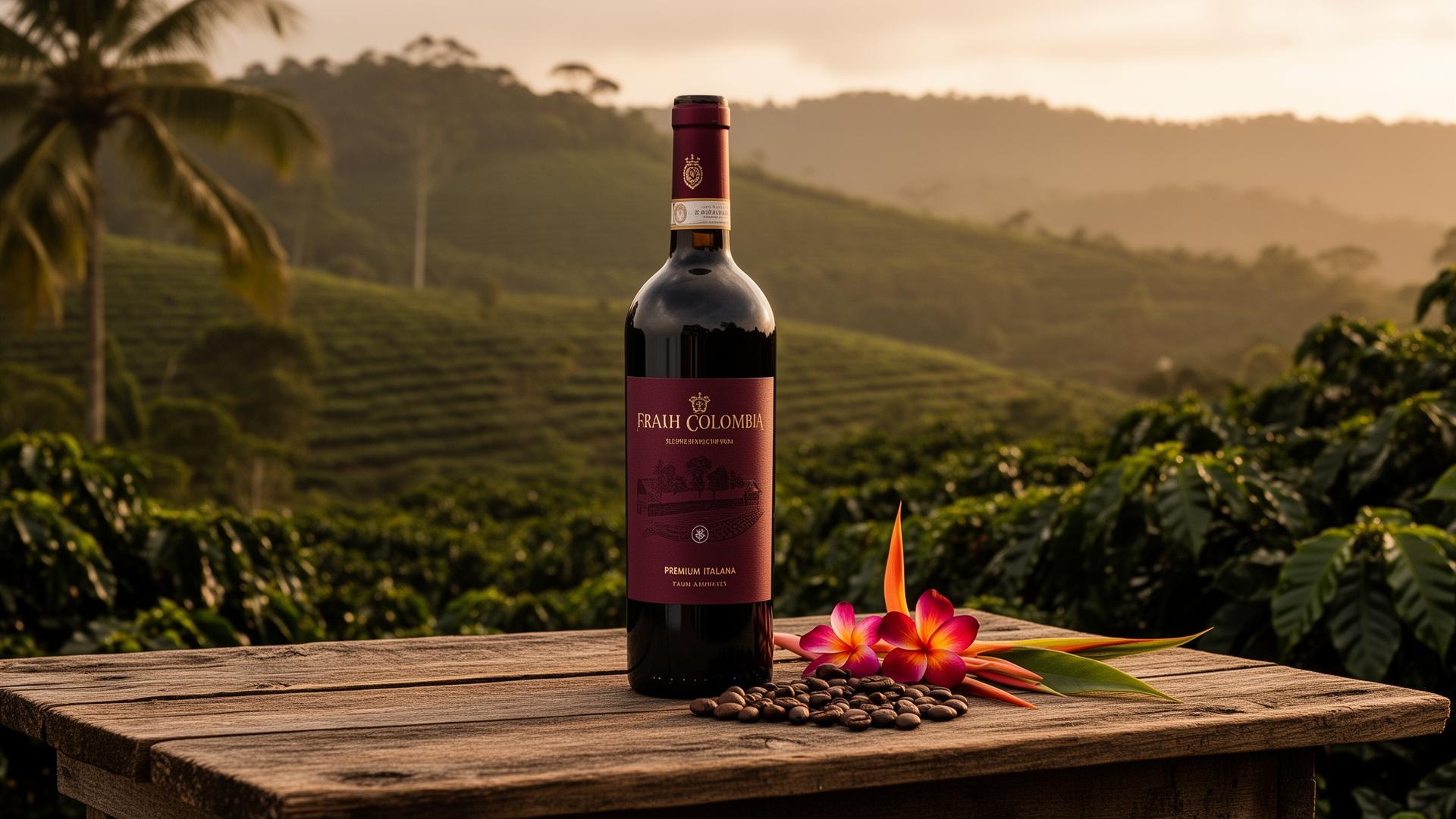
Long overshadowed by Brazil and Mexico, Colombia has quietly become one of the most interesting emerging wine markets in Latin America. With a stable middle class expanding in Bogotá, Medellín, Cali and Cartagena, and a hospitality sector growing at double-digit rates, Italian wine is finding fertile ground — provided producers approach the country with the right structure.
1. Market size and momentum
Colombia consumes roughly 25 million litres of wine per year — still modest compared to Argentina or Chile, but growing at 6–8% annually. Per capita consumption sits around 0.5 litres, leaving enormous headroom. Chile and Argentina dominate by volume thanks to the CAN free-trade agreement, but Italy leads the European premium segment together with Spain and France.
2. Where Italian wine wins
Colombian consumers associate Italian wine with food culture, lifestyle and aspiration. The strongest categories are:
- Prosecco DOC — by far the fastest-growing sparkling category in HoReCa
- Tuscan reds (Chianti Classico, Brunello, Super Tuscans) for fine dining
- Piedmont (Barolo, Barbaresco, Barbera) in the steakhouse and Italian restaurant circuit
- Pinot Grigio and Vermentino as accessible premium whites
- Amarone and Ripasso for the gift and corporate segment
3. Duties, taxes and pricing reality
Unlike Chile and Argentina, Italy does not benefit from a free-trade agreement with Colombia for wine. Imported wine faces a 15% ad valorem duty, plus VAT (IVA) at 19% and a departmental consumption tax (impuesto al consumo) that varies by region but typically adds 20–25% on top. The combined fiscal load roughly doubles the CIF price before the importer's and retailer's margins are applied.
A wine leaving Italy at €6 ex-cellar will typically retail between €28 and €38 in a Bogotá wine shop, and €55–80 on a restaurant list. Producers must price-position with this in mind: there is no room for inefficient supply chains.
4. Distribution: importers, not direct
Colombia is an importer-driven market. The serious players — Dislicores, Global Wine & Spirits, La Vinoteca, Ekantika, Quinta Gama and a handful of regional specialists — control most of the premium HoReCa and retail listings. Working with one well-aligned importer per channel (or one strong national partner) is far more effective than spreading allocations across competing players.
5. Channels that move volume
- Premium HoReCa in Bogotá (Zona G, Zona T, Usaquén) and Medellín (El Poblado)
- Hotel groups in Cartagena driving tourism-led consumption
- Specialized wine shops and delicatessens (Carulla FreshMarket, Pomona Gourmet)
- E-commerce platforms — Dislicores Online and Mercado Libre Premium are growing fast
- Corporate gifting around Christmas and Amor y Amistad (September)
6. Cultural codes that matter
In Colombia, wine is a relationship before it is a transaction. The producer who visits is the producer who sells.
Colombian buyers value continuity, personal presence and storytelling. A single visit by the owner or export manager is worth more than ten emails. Sommelier dinners, masterclasses and presence at events such as ProWine São Paulo and the Bogotá Wine & Food Festival build the credibility that listings convert.
7. What to do in 2026
- Map 4–6 importers across HoReCa, retail and e-commerce before signing anything
- Build a price list that survives the 15% duty + 19% IVA + departmental tax stack
- Allocate marketing budget for at least one in-market visit per year
- Register trademarks in Colombia early — counterfeit risk on premium brands is real
- Plan for slower payment cycles than the EU average (60–90 days is common)
Colombia will not replace the United States or Germany in any winery's portfolio. But for producers willing to invest patiently, it offers one of the best growth-to-competition ratios in the Americas — and a foothold in a country whose premium consumer base is only beginning to emerge.