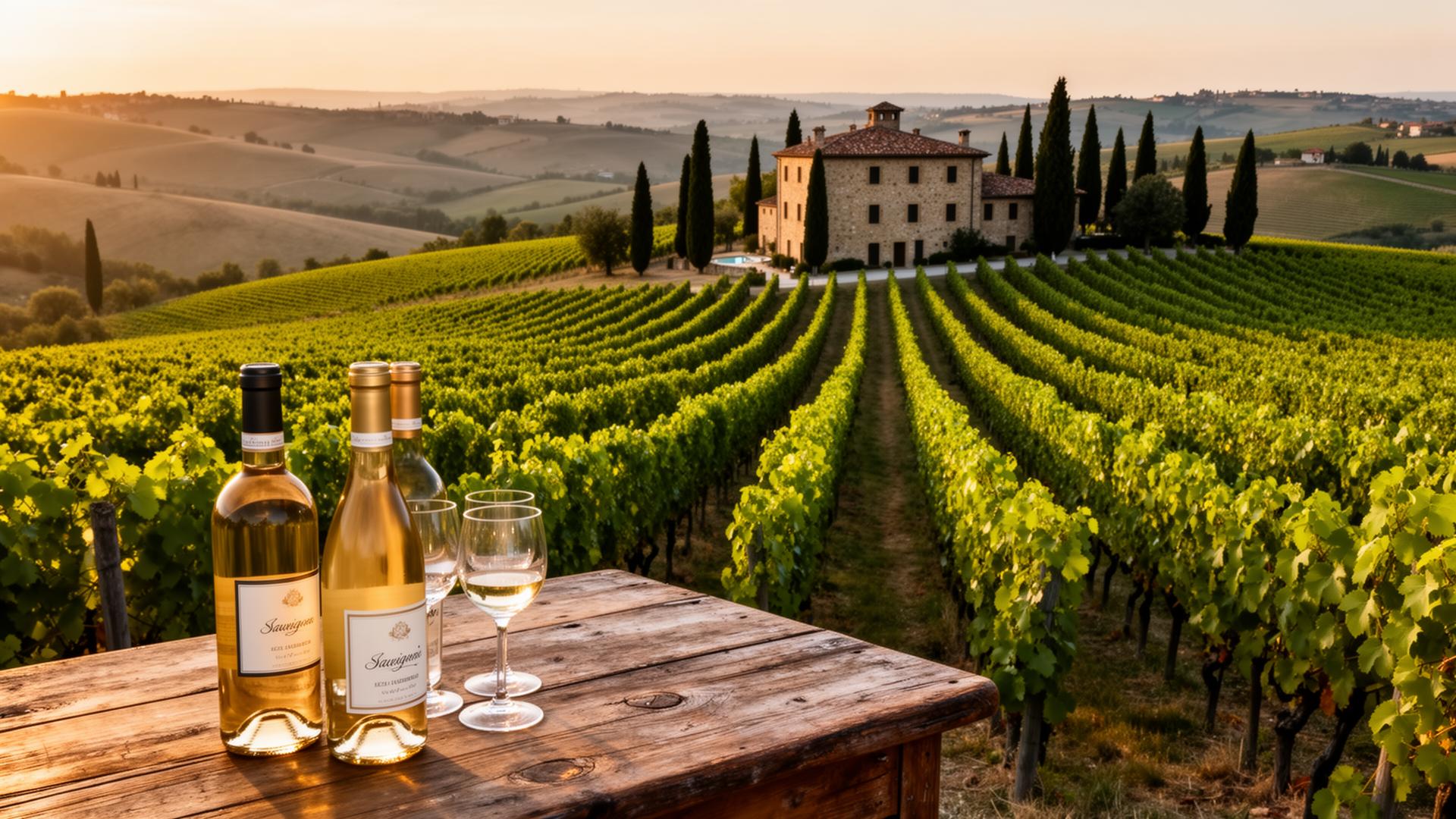
Fattoria Bulera: The Quiet Authenticity of Pomarance Wines
In the warm heart of Tuscany, between Volterra and the Metalliferous Hills, Fattoria Bulera makes wines that taste of the place they come from — honest, unhurried and deeply rooted in Pomarance.
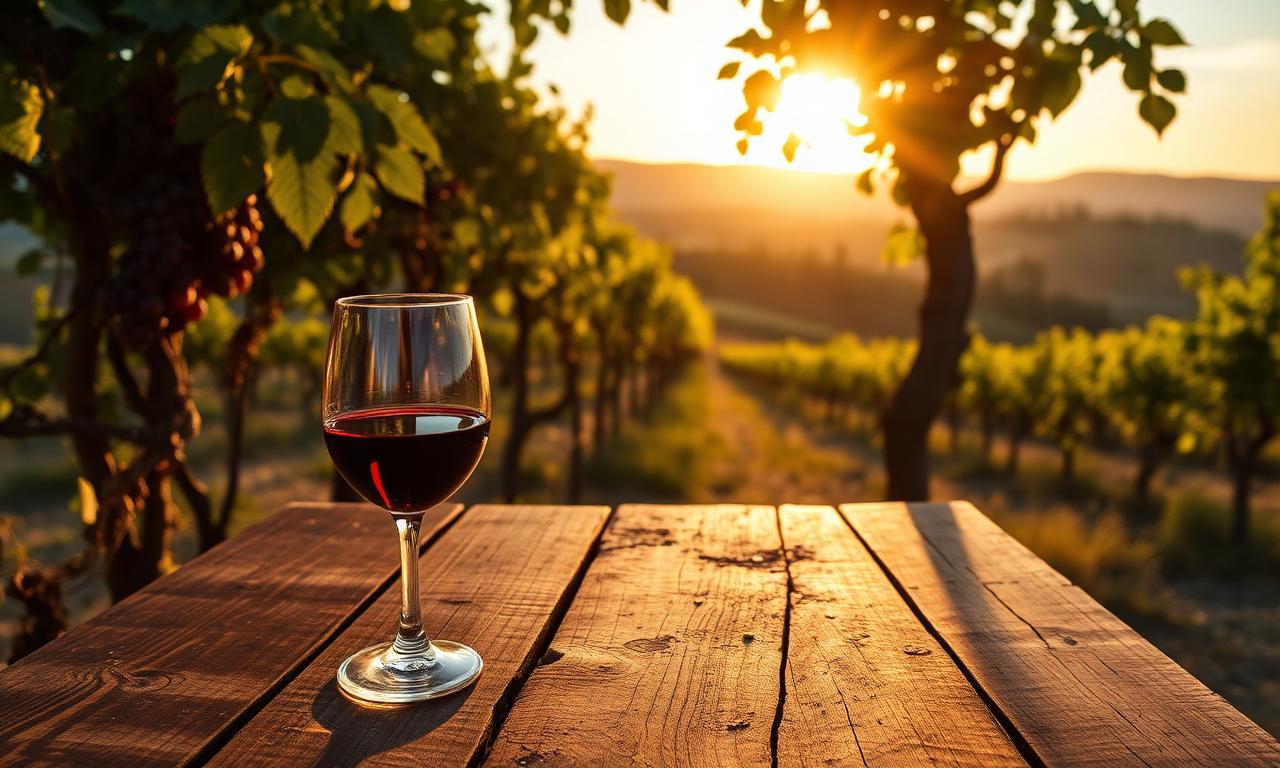
There is a stretch of inland Tuscany — south-west of Volterra, where the Cecina valley climbs toward the Metalliferous Hills — that has never tried to be famous. The villages are small, the roads are slow, the light at the end of the day is the colour of warm terracotta. It is here, in the municipality of Pomarance, that Fattoria Bulera quietly makes wine the way the family has always made it: with patience, with respect, and with the conviction that authenticity cannot be staged.
1. A place before a brand
Fattoria Bulera takes its name from a small natural lake — the Lago di Bulera — that sits in the valley below the estate, along the provincial road towards Montecastelli. The land has been worked for generations: olive groves, cereals, woodland and vineyards stitched into the contours of the hills. Long before the cellar produced a single labelled bottle, this was a working Tuscan farm, and that identity still shapes everything that happens here.
Pomarance sits at the edge of the classic coastal Tuscan zones, far from the gravitational pull of Bolgheri or Chianti Classico. The altitude is gentle but real, the soils mix clay, sandstone and marine sediments, and the diurnal range — hot days, cool nights drawing breath from the Tyrrhenian Sea — gives the grapes a slow, even ripening. It is a terroir that does not shout. It rewards producers who listen.
2. What authenticity actually means in the cellar
The word "authentic" is overused in wine marketing. At Bulera it has a more practical meaning: the wines are made from the estate's own grapes, harvested by hand, vinified without shortcuts, and bottled when the wine — not the commercial calendar — is ready. There are no flashy international cuvées designed to chase a score. There is a small, coherent range of wines that say something true about Pomarance.
- Estate-grown fruit — every bottle traces back to the vineyards around the farmhouse, not to bulk purchases
- Hand harvest and careful sorting — a discipline that costs more but protects the integrity of the vintage
- Spontaneous, unhurried fermentations — letting the indigenous yeast population express the site
- Long ageing in a mix of large oak and bottle — favouring digestibility and finesse over extraction
- Minimal intervention at bottling — low sulphur additions, no aggressive filtration that strips character
3. The wines: Carezza and Le Fosse di Michele
Bulera's range is deliberately small. Two wines, in particular, define the estate's voice today and explain why importers and sommeliers respond to it.
Carezza
A fresh, immediate red built around Sangiovese with the gentle support of complementary local varieties. The name means "caress" in Italian, and the wine lives up to it: red fruit, soft tannins, a savoury Tuscan finish, and the kind of drinkability that wins by-the-glass placements in serious wine bars. It is the bottle that introduces a table to Pomarance.
Le Fosse di Michele
A more ambitious wine from a single parcel, longer maceration and patient ageing. Darker fruit, mineral depth, fine-grained tannin, the structure to age a decade. This is the wine that explains why the estate exists — proof that a small farm in Pomarance can produce a serious Tuscan red without imitating its more famous neighbours.
4. Why authenticity travels well
International buyers in 2026 are tired of look-alike Tuscan reds — wines built to the same template of new oak, dark extraction and high alcohol. The most interesting export conversations today are about the opposite: estates with a clear sense of place, transparent farming, and a story that holds up to scrutiny. Bulera fits that brief almost too neatly.
- Sommeliers in northern Europe and the UK want fresher, more digestible Tuscan reds — Carezza answers that demand
- Premium retail in Scandinavia and Canada increasingly rewards small estates with traceable, hand-harvested production
- Independent importers in the US and Asia look for Tuscan wines outside the saturated Chianti Classico and Bolgheri narratives
- Wine educators and trade buyers value estates that can host them, walk the vineyards, and show the work — exactly what a real working farm offers
5. A WEM partner of the Coast and Maremma
Fattoria Bulera joins the WineExport Management portfolio inside the Coast, Maremma, Montepulciano, Montalcino & Others group, alongside estates that share the same conviction: that Tuscany is far broader, and far more interesting, than its three or four most famous appellations. For our importer partners, Bulera offers something specific — a small, authentic Pomarance producer with a coherent range, real allocation discipline, and the human story that fine-wine buyers increasingly demand.
Authenticity is not a marketing claim. It is what you taste when nothing in the wine is trying to be anything other than what the place gave you.
In a market crowded with louder voices, Pomarance speaks softly. Fattoria Bulera is one of the reasons it is worth listening.